



By Elizabeth Nelson, Communications & Multimedia Content Producer
According to U.S. News & World Report, the majority of Americans do not have enough savings to cover three months of living expenses, leaving them vulnerable to a financial emergency. The unexpected loss of a job, a trip to the emergency room, car or home repairs, or costly veterinarian bills can wreck even the most carefully planned budget - which is why having an emergency fund is crucial to financial stability.
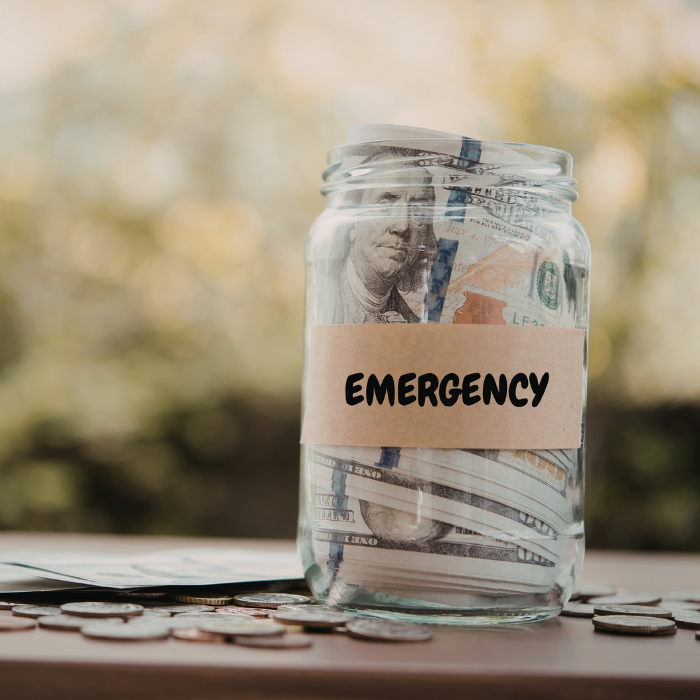
An emergency fund is a pool of money only tapped when something unexpected and serious happens that requires immediate attention. This fund is important because it protects you from going into preventable debt, or can help minimize that debt, if you experience a costly event, like replacing a failed water heater or caring for your child if they break a bone and need surgery. This fund can also help you with bills and groceries if you or someone in your household loses a job or must take an unexpected leave of absence.
The amount you need for your emergency fund may depend on your expenses and what you're comfortable saving. Most financial advisors recommend saving enough cash to cover three to six months of expenses.
"Three to six months of expenses is the ideal goal, but even saving one to two months as a shorter-term goal can really help set you up for financial stability," says Stephanie Martin, a certified credit union financial counselor at Greylock.
If your typical monthly bills cost $3,000, your emergency fund would be between $9,000 and $18,000 - amounts that may feel, at first, unattainable. Remember that any savings is better than no savings, so meet yourself where you are, set goals, and work toward them.
Here are 5 tips to help you get started saving for an emergency fund:
Pay Yourself First
Think of your savings as a nonnegotiable bill. You can't decide to pay your rent one month but not another - treat your savings the same way. Every time you get paid, set some money aside.
"A great tip is to use the 50/30/20 rule," says Martin. "When you receive a bonus or a raise, a monetary gift, tax refund, or if you sell an item, consider saving at least 20% of those dollars in your emergency fund. The other 50% goes to needs and 30% to wants."
Start Small
Take an honest look at your budget. You might want to work with a financial wellness coach if you'd like some help. Determine what you can realistically set aside each pay day or month. You want to establish the habit of savings and then grow from there.
"Start with $10, and if that feels comfortable after a few deposits, consider increasing it," says Martin.
Make Saving Automatic
One way to make savings a no brainer is to set up automatic deposits or transfers. Ask your employer to set up a direct deposit for a specified amount into your savings account each pay day, so you're not tempted to skip a month or accidentally forget. You can also set up automatic transfers so that once a month, for example, a certain amount is transferred from your checking into your savings account. If you use Greylock's Round-up Checking account, you are automatically saving the change from each transaction and purchase.
Maximize Your Savings
Make the most of your hard-saved money by opening a high yield savings account. Interest rates fluctuate, but even a small percentage of interest can help fortify your emergency fund. The money is sitting there - why not let it earn for you? Other options to maximize your money include term share certificates (similar to a CD in a bank) or a money market account, which is an interest-earning savings account. Learn more about savings accounts at Greylock here.
Only Use for True Emergencies
As you watch your savings grow, remember, it's only for emergencies. If you're tempted to tap into it, ask yourself if it's truly something serious and immediate, or is it something that can wait?
"Make this account somewhat challenging to access so it is not easy to simply transfer back out of it," says Martin.
You want your fund to be ready should the unexpected happen to you, and this fund can help save you money over time by helping you avoid or minimize debt.
Life is full of surprises, and while you can't predict what will or won't happen, you can plan to be prepared with an emergency fund. Greylock is here to help you, so reach out if you have any questions or concerns.