



By Myla Franklin, Community Lending Officer
For many homebuyers, the journey to homeownership is years in the making. Some save and plan throughout life, while others jump in early and grow into the role. No matter how you arrive here, protecting your investment begins the moment you own your home. A seasonal maintenance plan is one of the simplest ways to keep a home in good repair, avoid costly problems, and save money over time.
A home-keep checklist can help to keep your home in good condition. Regular maintenance helps homeowners save money, it can extend the life of appliances, and prevent issues like water damage, pests, and fire hazards. Sticking to a maintenance routine makes these tasks more manageable and affordable.
Neglecting routine home maintenance can lead to higher utility bills, safety hazards, and costly repairs. For example, failing to seal drafty windows can increase energy costs, loose or damaged flooring can create injury risks, a small leak can turn into significant water damage, and poorly maintained appliances may wear out sooner than expected. Other common concerns include fire hazards and pest infestations. For homeowners, these issues can quickly become expensive. Following a seasonal home maintenance checklist can help you stay ahead of potential problems and ensure important tasks are completed at the right time each year.
Here is a simple checklist that can help you keep things on track for this fall
FALL: Heating Prep, Water Line Protection & Winterization
Fall is the time to prepare your home for colder temperatures, snow, and freeze-thaw cycles. Completing these tasks before winter arrives can help prevent costly repairs, improve energy efficiency, and keep your home safe and comfortable throughout the season.
Exterior Maintenance
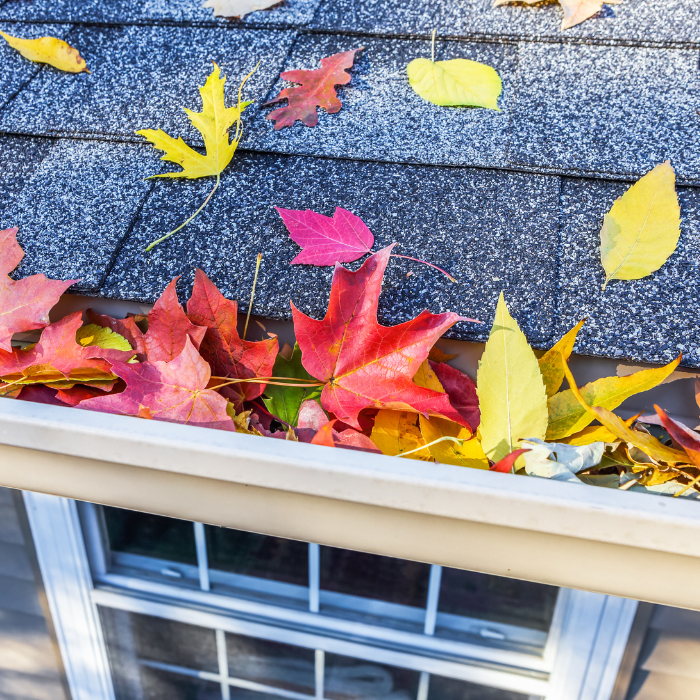
- Clean gutters after leaves fall and inspect roof flashing to help prevent ice dams and winter water intrusion.
- Check and caulk windows before winter to reduce heat loss, drafts, and moisture damage to window frames.
- Store or cover outdoor furniture to protect materials from snow and ice.
- Shut off and drain exterior water lines, hoses, and irrigation systems to prevent frozen pipes and costly burst line repairs.
- Inspect exterior paint and caulking to seal gaps that allow cold air and moisture into the home.
Interior Maintenance
- Test the heating system and thermostat and replace HVAC filters to ensure reliable heating during the colder months.
- Service your boiler or furnace to help prevent breakdowns during winter.
- Flush the hot water heater to improve efficiency.
- Check interior water connections and prepare plumbing for freeze risks to help prevent leaks caused by expanding ice.
Safety Tasks
- Clean the chimney and fireplace to reduce fire hazards and ensure safe operation during the heating season.
- Inspect and test smoke and carbon monoxide detectors. Reliable detectors are especially important as furnaces, boilers, fireplaces, and other heating systems are used more frequently during winter.
- Clean the dryer vent to reduce fire risk and improve appliance performance.
Protect water lines from freezing by shutting off exterior valves, draining outdoor faucets, disconnecting hoses, and installing insulated covers when needed. These simple steps can help prevent burst pipes, water damage, and expensive repairs.